



Search
Related News
- 00
0000-00
Thermal Sludge Treatment Options: Drying, Pyrolysis, and Incineration Compared - 00
0000-00
Environmental Engineering for ZLD Projects: Site Data, Permits, and Design Risks - 00
0000-00
Zero Waste Water vs ZLD: Process Choices for Industrial Effluent Reuse - 00
0000-00
Sustainable Waste Management Strategies for Plants With Mixed Waste Streams - 00
0000-00
High Temperature Incineration: Temperature, Residence Time, and Emission Limits
How digital twins cut downtime in environmental equipment




For after-sales maintenance teams, unplanned downtime in water treatment, desalination, waste-to-energy, and emissions systems quickly turns into higher safety exposure, lost throughput, and compliance risk. Digital Twins for Environmental Equipment provide a practical way to connect sensor data, maintenance history, and operating conditions into one living model. With that model, faults can be detected earlier, service windows can be scheduled more accurately, and critical assets can run with greater stability over time.
Across the broader environmental infrastructure market, uptime is no longer only an operations issue. It affects ESG reporting, discharge permits, energy efficiency, spare-parts planning, and contract performance. That is why Digital Twins for Environmental Equipment are gaining traction in ZLD plants, SWRO desalination systems, waste-to-energy lines, sludge dewatering units, and CEMS networks.
Why a checklist approach works for digital twin deployment
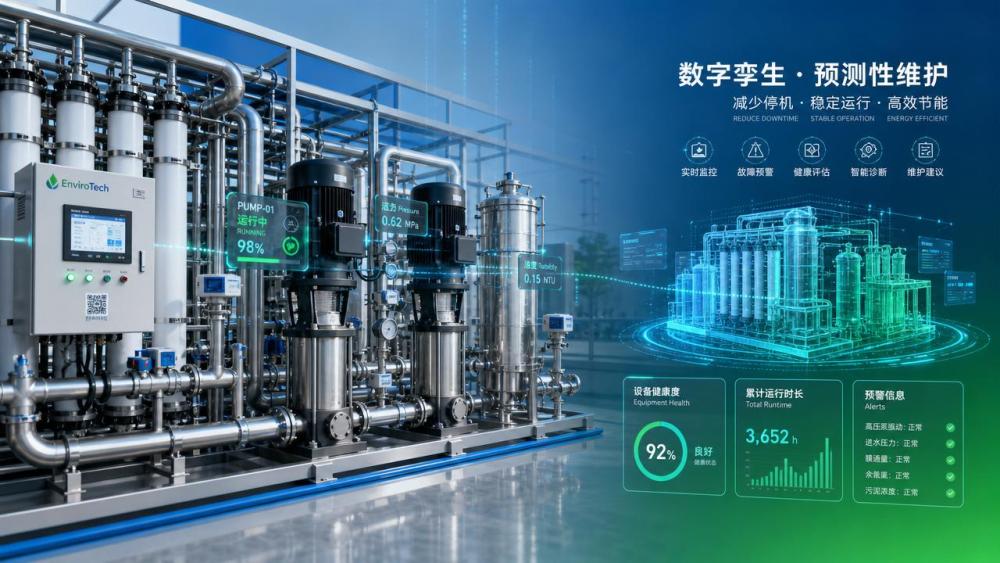
A digital twin project often fails when teams jump straight into software dashboards without defining asset priorities, data quality rules, or maintenance decisions. A checklist forces discipline. It keeps the focus on measurable downtime reduction instead of vague digital transformation goals.
For environmental assets, that discipline matters even more. Pumps, membranes, boilers, filter presses, analyzers, and evaporators degrade in different ways. Digital Twins for Environmental Equipment must therefore reflect process physics, failure patterns, and compliance thresholds, not just generic IoT connectivity.
Core checklist for cutting downtime with Digital Twins for Environmental Equipment
- Map critical assets first, then rank them by downtime cost, environmental risk, repair complexity, and permit impact before building any digital twin models.
- Collect clean operating data from PLCs, SCADA, historians, and field instruments, and verify timestamps, tag naming, sampling frequency, and calibration status.
- Define failure modes clearly, including cavitation, scaling, fouling, corrosion, vibration drift, analyzer bias, seal leakage, and thermal stress cycling.
- Build hybrid models that combine first-principles process logic with machine learning, especially for variable loads and harsh environmental conditions.
- Set alert thresholds by asset behavior, not by generic limits, so the twin can distinguish normal transients from true degradation patterns.
- Connect maintenance records to the twin, including work orders, replaced parts, inspection notes, and root-cause findings from past shutdown events.
- Track leading indicators such as differential pressure, conductivity drift, pump efficiency loss, steam imbalance, and stack analyzer response lag.
- Simulate what-if scenarios before intervention, such as delayed cleaning, lower feed quality, reduced redundancy, or operation during peak ambient temperatures.
- Link the twin to spare-parts planning so predicted failures trigger procurement checks for membranes, bearings, valves, probes, and control modules.
- Review model accuracy monthly and retrain when process chemistry, feedwater quality, fuel mix, or operating strategy changes materially.
This checklist keeps Digital Twins for Environmental Equipment tied to maintenance execution. The goal is not simply better visibility. The goal is fewer forced outages, shorter repair cycles, and more predictable service planning.
How digital twins reduce downtime in key environmental scenarios
Industrial water and ZLD systems
In industrial water and ZLD plants, downtime often starts with fouling, scaling, heat-transfer decline, or unstable brine concentration. A well-built digital twin can compare live process values against expected thermodynamic performance and flag abnormal divergence early.
That warning helps teams schedule membrane cleaning, evaporator inspection, or crystallizer adjustment before production is interrupted. Digital Twins for Environmental Equipment also improve chemical dosing control, which can reduce both failure frequency and operating cost.
Seawater desalination plants
In SWRO systems, feed salinity swings, biofouling, intake variation, and pump stress can create cascading failures. A digital twin can model high-pressure pump loading, membrane differential pressure, and energy recovery device behavior in real time.
That visibility supports earlier intervention on pretreatment upset conditions and helps avoid full-train shutdowns. For desalination assets, Digital Twins for Environmental Equipment are especially valuable because small efficiency losses can become major reliability issues at scale.
Waste-to-energy and incineration lines
WTE facilities operate under intense thermal and mechanical stress. Grate systems, boilers, flue gas treatment units, and fans all face variable waste composition and corrosive conditions. A digital twin can detect combustion instability, heat-balance deviations, and abnormal vibration signatures before an outage expands.
It also helps coordinate maintenance around planned outages instead of emergency stoppages. In this setting, Digital Twins for Environmental Equipment support both uptime and emissions control, which is critical when permit compliance is non-negotiable.
Sludge dewatering and filter press systems
Filter presses and sludge drying systems are vulnerable to cloth blinding, hydraulic wear, uneven cake formation, and moisture inconsistency. A digital twin can track cycle time drift, pressure response, and solids performance across batches.
That allows service teams to act before throughput collapses or downstream hauling costs rise. Here, Digital Twins for Environmental Equipment translate process variation directly into maintenance priorities.
CEMS and carbon monitoring networks
CEMS downtime creates immediate reporting risk. A digital twin can monitor analyzer drift, sample line blockage, temperature instability, and calibration behavior against expected reference patterns.
Instead of discovering issues after failed audits or missing data gaps, teams can intervene earlier. For emissions infrastructure, Digital Twins for Environmental Equipment protect data integrity as much as hardware availability.
Often-missed risks that weaken digital twin results
Ignoring bad sensor data is one of the biggest failures. If instrument drift, missing tags, or delayed uploads remain unresolved, the twin will produce false confidence and poor maintenance decisions.
Over-modeling is another common mistake. A twin does not need to simulate every valve and every minor variable. It must capture the behavior that drives downtime, reliability, and compliance exposure.
Separating the twin from field service workflows also limits value. If alerts do not create inspection tasks, spare checks, or shutdown plans, Digital Twins for Environmental Equipment become passive dashboards instead of active tools.
Teams also underestimate change management. New models must reflect process modifications, membrane replacements, burner tuning, fuel changes, or revised permit conditions. Otherwise prediction accuracy erodes quickly.
Practical execution steps for stable rollout
- Start with one high-impact asset group, such as SWRO pumps, evaporators, or CEMS analyzers, and prove downtime reduction within one operating quarter.
- Use a baseline of MTBF, MTTR, alarm frequency, emergency parts usage, and process interruptions before activating the digital twin.
- Create response playbooks for every alert level, including inspection timing, escalation path, shutdown criteria, and documentation requirements.
- Integrate the twin with CMMS or EAM tools so predictions automatically support work planning and service history feedback.
- Review results with operations, maintenance, and compliance data together, because environmental downtime always crosses functional boundaries.
EWRS closely tracks this convergence of digital reliability, resource efficiency, and ESG pressure across the environmental equipment landscape. The strongest implementations connect deep process understanding with field-ready maintenance action, especially in technically demanding systems such as ZLD, desalination, WTE, sludge treatment, and continuous monitoring.
Conclusion and next action
Digital Twins for Environmental Equipment cut downtime when they are built around real asset behavior, clean data, and maintenance execution. They help identify early degradation, improve service timing, reduce emergency interventions, and strengthen compliance resilience across critical environmental systems.
The most effective next step is simple: select one equipment train with recurring downtime, build a focused checklist around failure modes and data quality, and measure results against a clear uptime baseline. That disciplined start creates the foundation for broader digital twin adoption with measurable operational value.
Recommended News
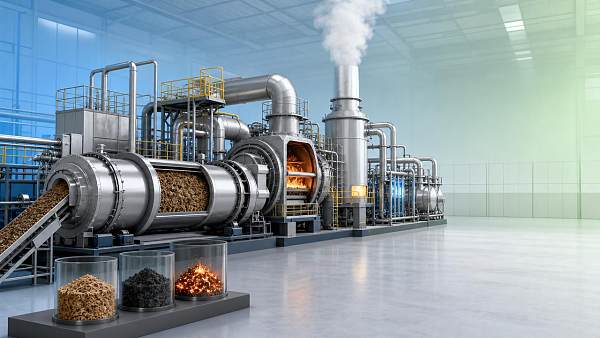
 Thermal Sludge Treatment Options: Drying, Pyrolysis, and Incineration ComparedJun 03, 2026Thermal Sludge Treatment compared: discover how drying, pyrolysis, and incineration impact cost, emissions, energy recovery, and smarter sludge decisions.
 Environmental Engineering for ZLD Projects: Site Data, Permits, and Design RisksJun 03, 2026Environmental Engineering for ZLD projects: learn how site data, permits, brine chemistry, and design risks shape compliant, reliable, cost-effective water recovery.
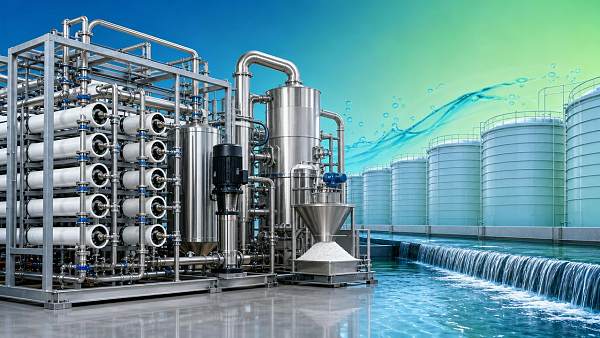
 Zero Waste Water vs ZLD: Process Choices for Industrial Effluent ReuseJun 03, 2026Zero Waste Water or ZLD? Compare process routes, energy, brine handling, compliance risks, and reuse strategies to choose the right industrial effluent solution.
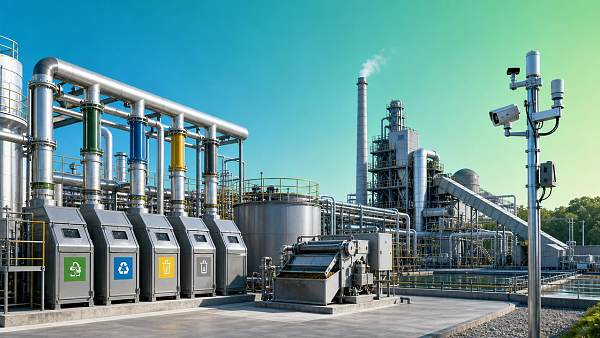
 Sustainable Waste Management Strategies for Plants With Mixed Waste StreamsJun 03, 2026Sustainable Waste Management strategies for mixed waste plants—cut disposal risk, improve ESG readiness, recover resources, and build a smarter circular operating model.